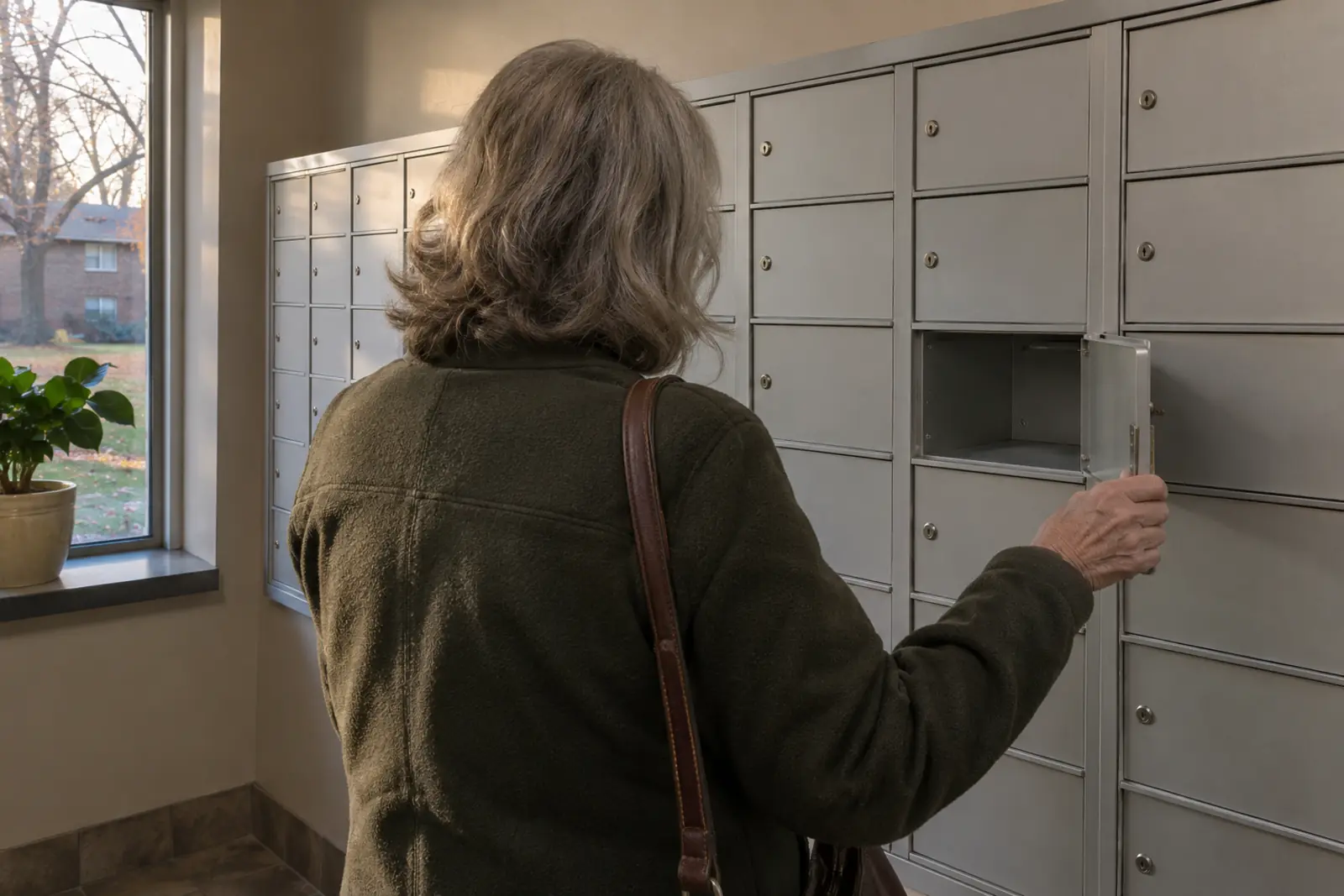
A senior housing waiting list is a queue of applications held by a housing provider or agency until assisted housing becomes available. There is no standard wait: HUD says long waiting periods are common because demand is greater than the housing available, and the length depends on the specific list. For HUD-assisted housing, the list may belong to an individual property. Public housing and Housing Choice Voucher lists are kept by housing agencies. Being on a list does not guarantee housing, establish final eligibility or tell you when an offer will come.
How long is the senior housing waiting list?
No single answer applies to every list. HUD describes long waits as common for both public housing and vouchers, and says that waitlist times for vouchers can be long, but it gives no typical duration. The wait depends on how many households are ahead of you, how often units or vouchers become available and whether you qualify for a preference. The only reliable figure is the one the provider or agency gives you for its own list.
When you ask, use questions that can be answered:
- Is the list open or closed to new applications?
- Does the list use application date, preferences or another method to select households?
- Does the office publish or give out an estimated wait, and what does that estimate assume?
- How often are applicants asked to confirm they still want to stay on the list?
Treat any estimate as a guide, not a promise. Turnover, funding and the number of applicants can change it.
Which waiting list are you applying to?
Start by identifying who keeps the list and what assistance it covers. A property application generally concerns housing at that property. A public housing application concerns housing administered by the agency. A voucher application concerns assistance toward rent in an eligible private rental. These applications are not interchangeable; ask what each application covers. The comparison of public housing, vouchers and Section 202 explains how the programs differ, and the Section 202 guide for Michigan covers properties built specifically for older adults.
The general application process explains how to prepare household information and supporting records. Keep the provider’s or agency’s name with each application so you know where to send updates.
| Type of list | Who keeps it | How you hear back | What can remove you |
|---|---|---|---|
| Property list | The provider or management office responsible for the HUD-assisted property | Through the contact method described in its application instructions | Failure to respond, missing required updates or an eligibility determination, under the provider’s rules |
| Public housing list | The local public housing agency | Through agency notices about updates, eligibility review or available housing | Missed deadlines, failure to maintain contact or a finding of ineligibility, under agency rules |
| Voucher list | MSHDA or a local public housing agency administering vouchers | Through agency notices requesting updates or explaining selection and next steps | Failure to keep information updated, missed responses or a finding of ineligibility |
What a list position does and does not mean
An application date or reported position is useful information, but it is not a reservation. HUD says that for vouchers, your place depends on the number of available vouchers, when you applied and any selection preferences. Another household may receive consideration earlier because it qualifies for a preference. A position may change as the agency updates applications and verifies information.
Ask what any position shown actually represents. It may describe your place within a category rather than across the entire list. HUD tells voucher applicants they can contact their public housing agency for an update on their place in line, so ask whether the agency provides position updates. Repeated requests for a position cannot make assistance become available sooner.
Selection leads to further review
A notice that your application has reached the next stage is not necessarily an offer of housing. The provider or agency may need current income information, household details and other eligibility records. Read the notice carefully to distinguish a request for documents from an actual housing offer. The 2026 income limits for Oakland County show the thresholds this review is measured against.
For vouchers, HUD says that once you are selected the agency verifies your documents and you attend a briefing before a voucher can be issued. A search for eligible housing follows. The guide to vouchers, MSHDA and local agencies explains how that process differs from waiting for an available assisted apartment. If an apartment is offered, the 30% rent rule and adjusted income explains how the rent is usually set.
Preferences and local preferences
A preference gives priority under the rules of a particular list. HUD says each public housing agency sets its own preferences to reflect local needs, and that they are written in the agency’s policy manual. HUD’s public housing guidance identifies veterans as an example of a group an agency may give preference to, and its voucher guidance names veteran or disability status as examples of selection preferences. Do not assume that being an older adult gives the same priority on every list, or that a preference accepted by one agency applies elsewhere.
HUD advises applicants to ask which preferences their agency honors. Ask for the written preference rules and what documents establish a claim. If your circumstances change, ask whether the change affects your preference and how to report it. The agency decides whether you meet its requirements; describing a need on an application does not establish priority by itself.
Open and closed waiting lists
Waiting lists open and close. HUD says an agency may close its list when more families are on it than it can assist in the near future. A closed application period does not tell you when another opportunity will occur. Check directly with the agency or property for its current application instructions and any announcements, and ask how it announces when a list reopens.
If a list you want is closed, spend your effort on lists that are open and keep the information for the closed one so you can apply when it reopens.
Can you be on more than one waiting list?
Yes, and HUD says high demand and long waiting lists mean you may need to apply to several. For vouchers, HUD says you do not have to live in an agency’s area to apply, but an agency may require you to live in its jurisdiction for the first 12 months if you lived outside it when you applied. HUD also notes that project-based voucher properties may have separate waitlists, so a voucher application to an agency does not always cover them.
Each list has its own application, update schedule and removal rules, and an application on one list does not transfer to another. The overview of senior apartment types in Oakland County can help you decide which kinds of properties to look at beyond subsidized housing.
Staying on a waiting list
Keeping contact information current is part of maintaining an application. HUD warns voucher applicants that failing to report changes to a mailing address, phone number or household size may lead to removal from the list. Do not assume that changing your address with another government office updates your housing applications.
- Report changes to your mailing address, telephone contact information and email through the method each provider or agency requires.
- Respond to update requests and document requests by the stated deadline, even if your circumstances have not changed.
- Report household or income changes as instructed, and keep supporting records current.
- Save application confirmations, notices, copies of submitted documents and evidence of updates.
- Check the communication channels the provider or agency says it uses.
If you miss a notice or receive a denial
If you discover a missed request, promptly ask the provider or agency what happened and whether its procedures allow you to correct the problem. Explain the circumstances and keep a record of your response. Reinstatement is not automatic. If a public housing agency finds you ineligible, HUD says it must explain why in writing and you may request an informal hearing. Removal for not responding and an eligibility denial are different decisions, so ask which one was made. The application guide covers documents and what to do after a denial in more detail.
What to do while waiting
Rather than relying on a single application, keep a separate record for each list, including its update requirements and the official source for notices. The Area Agency on Aging resource guide explains connections to support for older adults and caregivers. Ask about resource referrals and options counseling. Temporary arrangements may help meet an immediate need, but they do not establish priority or replace a housing application. Before making a temporary move, consider accessibility, transportation and how you will receive notices.
Nobody can legitimately sell a place on a waiting list
A payment to someone claiming special access cannot legitimately buy a place or better position on a subsidized housing waiting list. Verify unexpected messages through contact information you already have for the provider or agency. Pressure to pay quickly or use unusual payment methods is a warning sign. The rental scam guide explains other warning signs.
Verify current procedures with the responsible housing provider, local public housing agency or MSHDA. HUD’s public housing guidance explains the agency’s role; the agency handling your application determines eligibility and applies its list rules.
What to check
- Which program and list your application covers.
- Whether the list is open, and what wait the office expects, if it gives one.
- Whether your application was received and what confirmation to keep.
- Which preferences apply and what verification they require.
- How to report changes and receive notices.
- What response deadlines and review procedures apply.
Frequently Asked Questions
Does being on a senior housing waiting list mean I qualify?
No. Being listed does not establish final eligibility or guarantee an offer. The housing provider or agency may need to verify current income, household information and other requirements when your application reaches further review. Respond to document requests according to the instructions in your notice.
How long do you have to wait for senior housing?
It varies by list, and HUD gives no typical length. It says long waits are common for public housing and vouchers. Ask the provider or agency whether it can estimate a wait for your household, and treat that estimate as approximate.
What is an open senior housing waiting list?
It is a list that is currently accepting new applications. HUD says agencies may close lists when more families are on them than they can assist soon, so open lists can close and closed lists can reopen. Check with the provider or agency directly rather than relying on an old announcement.
Why did someone who applied after me get selected first?
Selection can depend on availability, application date and preferences. A household with a qualifying preference may receive consideration earlier. Ask the agency for its written selection rules and an explanation of how those rules apply to your application. Application date alone does not explain every selection.
Can I apply to more than one housing waiting list?
Yes. HUD says you may need to apply to several because of high demand. Each provider or agency has its own application and update requirements, so keep separate records. Applying elsewhere does not transfer your application or guarantee that housing will become available sooner.
Can I be removed if I forget to update my address?
Yes. HUD warns that voucher applicants who fail to report address, phone or household changes may be removed. Other lists have their own contact and response rules. Report changes directly to each responsible office, keep evidence of the update and ask what to do if you missed a notice.